
Australia, 25th Nov 2026 – Debt Self Help, a nationwide information guide, has launched a self help resource centre for people managing debt and credit. The guide brings together fact sheets, letter templates, videos and links to local help, and it is written for people who are juggling household bills and debt. It presents general information only and is not a counselling or advice service.
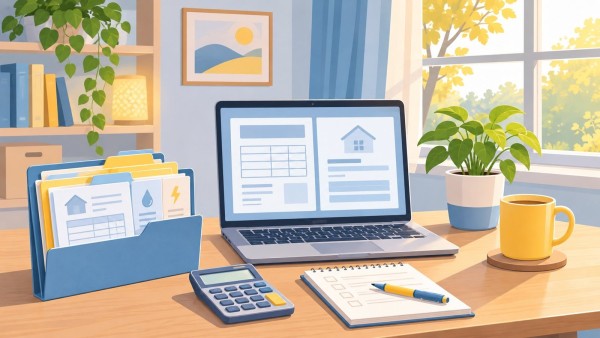
The resource centre organises its Fact sheets into four topics, described as an A to Z of information about credit and debt. The topics are everyday money, dealing with debt, accessing extra money and legal action. The guide states that people from all walks of life can find themselves in financial difficulty.
“Debt can feel overwhelming, so the aim is to set the information out in plain terms and point readers to the right places for help,” said John, a spokesperson for Debt Self Help. “A person should be able to see what a hardship request or a letter of demand involves before deciding what to do next.”
What the Fact Sheets Cover
Each topic gathers related questions in one place. Everyday money covers loan types, automatic bank payments, penalties, child maintenance and taxation. Accessing extra money covers urgent financial aid, selling possessions, insurance and superannuation, while legal action covers legal notices, court proceedings, external dispute bodies and seeking legal advice.
The fact sheets carry a clear note about their age. Dates, dollar figures and rules were current when written and may have changed, and readers are asked to check with the relevant agency before relying on them. For information from the national regulator, the guide refers readers to MoneySmart, which is run by ASIC.
Dealing With Debt in Practice
The dealing with debt topic includes eleven fact sheets. One sets out the questions to ask before paying a debt, such as whether the debt is too old to recover, whether the amount is correct, whether it is in the right name and whether the lending was responsible.
Others explain what debt collectors can and cannot do, and how to handle disputes, letters of demand and complaints. The guide also covers how to rank debts, what can follow from doing nothing, and how to negotiate informal payment arrangements with creditors, including reduced payments and settlement offers.
Two fact sheets deal with hardship requests, one for credit and one for other household bills such as utilities, phone and internet. Two more give overviews of debt agreements, which are a formal alternative to bankruptcy, and of bankruptcy itself, including its effects and employment restrictions.
Letter Templates for Common Situations
The guide also publishes Letter templates for writing to a bank, telco, energy company or debt collector. There are eight in total. They include a mortgage hardship variation request, a credit hardship variation request for credit cards and personal loans, and an offer to make a full and final settlement.

The remaining templates cover a request for information about consumer credit insurance, a request for a copy of a credit report, and a request to delay debt enforcement action. Two more cancel a direct debit, one from a credit card account and one from a savings or other account.
Brief instructions come with the templates. Readers replace all of the text in square brackets with their own details, delete any material that is not relevant, keep a copy of every letter and document sent, and keep a note of all phone conversations with creditors.
Finding Local Help
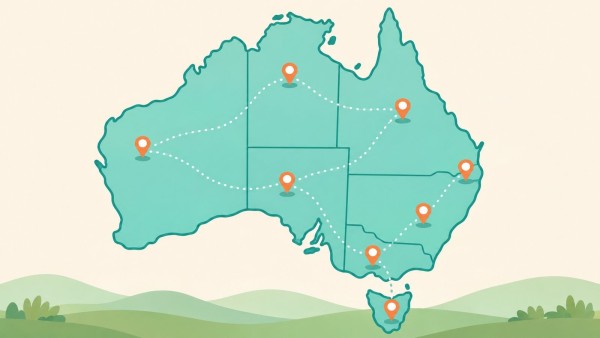
A separate section lists local support in New South Wales, the Australian Capital Territory, Victoria, South Australia, Western Australia, Tasmania, Queensland and the Northern Territory. Entries include financial counselling services, legal services and helplines, and each is listed with a phone number and, where available, a website.
The guide describes financial counsellors as non-judgmental, trained professionals who provide information, support and advocacy. Some of the listed services offer legal advice or consumer credit advocacy. Debt Self Help itself has no phone line, bookings, quotes or case work, and it cannot answer individual questions.
Looking Ahead
Debt Self Help said it will keep presenting the resource centre as general information. Readers with questions about their own circumstances are directed to local services and to MoneySmart, while short videos on money questions and a links section on money management, hardship and legal advice round out the library.
“The guide is most useful when it is clear about its role,” said John. “It gives general information, and it points people to local services and the national regulator when they want help with their own situation.”
About Debt Self Help
Debt Self Help is a self help information resource made up of fact sheets, letter templates and links for people managing debt. It is not a counselling, legal or financial advice service.
For additional information about Debt Self Help and related industry developments, contact the Debt Self Help spokesperson by email at contact@debtselfhelp.org.au. Enquiries regarding the guide and its articles can be directed to the same address.
Media Contact
Organization: Debt Self Help
Contact Person: John
Website: https://debtselfhelp.org.au/
Email: Send Email
Country: Australia
Release id: 51124
View source version on King Newswire:
Debt Self Help Launches an Information Guide to Managing Debt and Credit
Disclaimer: The views, suggestions, and opinions expressed here are the sole responsibility of the experts. No Science Currents journalist was involved in the writing and production of this article.